If you are looking for the best heat tolerant vegetables to keep your backyard productive during hot weather, you have come to the right place. As early summer arrives, long sunny days and soaring temperatures can quickly turn lush green patches into dry, stressed plots. If you are watching your favorite crops wither, drop their blossoms, or bolt overnight, it is time to pivot.
The secret to a successful summer harvest isn’t just watering more—it is planting smarter.
By shifting your focus toward crops that actually thrive when the thermometer spikes, you can keep your garden incredibly productive all season long. Whether you are growing in large backyard beds, raised boxes, or containers on a baking patio, here are 11 heat loving plants to plant right now, along with crucial water-saving tips to help them survive.
Heat Tolerant Vegetables and Herbs to Plant in Early Summer
Many traditional spring crops slow down or fail when temperatures climb. These tough, heat tolerant vegetables, however, look at intense summer sun as an absolute blessing.
1. Sweet Potato (Ipomoea batatas)
While standard potatoes prefer cooler spring soil, sweet potatoes are exceptional heat tolerant vegetables. They act as a magnificent edible ground cover. Their sprawling green vines shade the soil, acting like a “living mulch” that locks in moisture for neighboring plants while producing nutritious tubers underground.
2. Eggplant
Eggplants are true sun-worshippers. Originating from warm tropical regions, they require high soil temperatures to produce their deep purple fruits. They develop deep root systems that help them seek out moisture, making them some of the most reliable heat tolerant vegetables for summer beds and large containers.
3. Hot Peppers
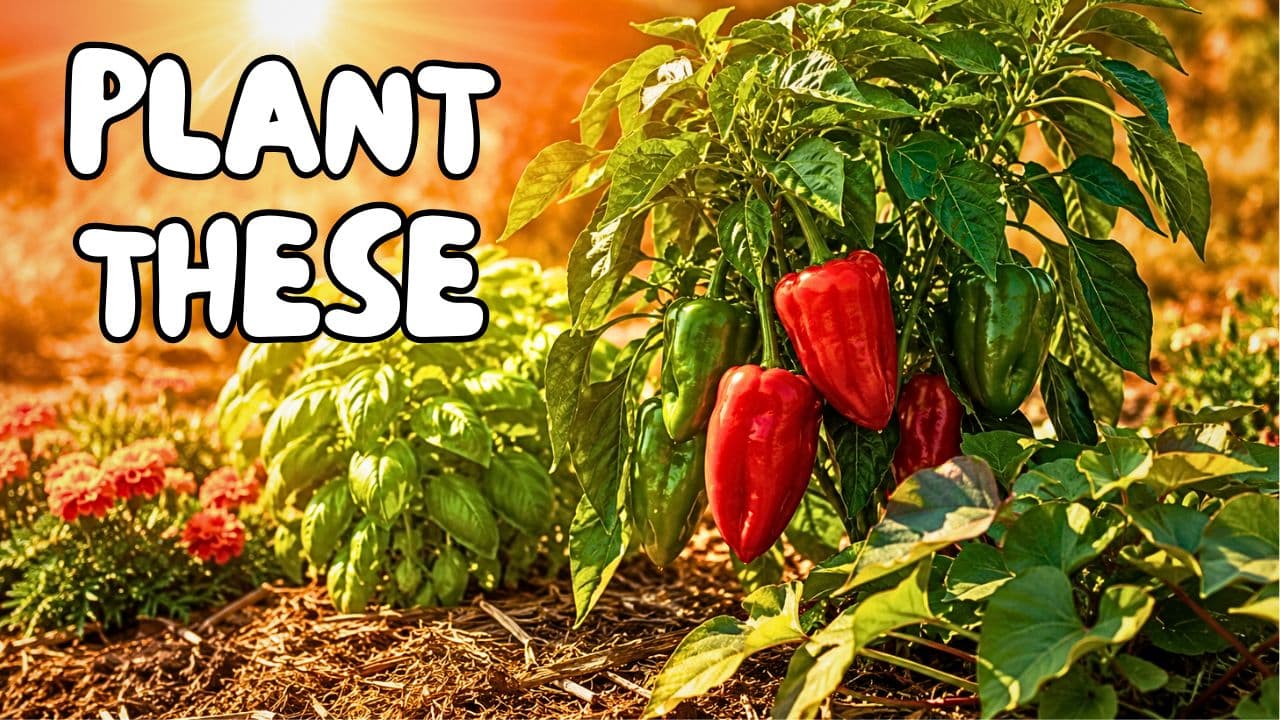
If you want to grow peppers in hot weather, turn up the spice. While sweet bell peppers can sometimes suffer from blossom end rot if watering fluctuates under stressful sun, hot varieties (like Jalapeños, Habaneros, or Cayenne) are incredibly resilient. Intense sunlight can actually increase the heat and flavor intensity of your harvest!
4. Melons
Watermelons and cantaloupes require a long, hot summer to develop their natural sugars. Because they develop deep taproots, established melon plants handle high temperatures beautifully. Just ensure they get steady moisture during fruit set; after that, they love baking in the sun.
5. Bush and Pole Beans
Warm soil is a strict requirement for beans, making them perfect for early summer sowing. Sowing bean seeds now guarantees rapid germination. Once their root systems are established, crops like cowpeas (black-eyed peas) or classic pole beans handle dry, hot spells beautifully.
6. Basil
Most leafy greens like lettuce fry and turn bitter in the summer sun, but basil thrives right alongside your heat tolerant vegetables. To stop your basil from scorching or going to seed too quickly, plant it where it receives afternoon shade, or tuck it underneath taller heat-loving crops.
7. Zucchini and Cucumber
These summer favorites are incredibly productive during warm months. While they are technically thirsty plants due to their large leaves, they develop massive root systems that allow them to pull water from deep within the earth, making them highly resilient once established.
8. Cherry Tomatoes
If regular beefsteak tomatoes are cracking or dropping their blossoms due to intense summer heat waves, switch to cherry tomatoes. Smaller cherry tomatoes varieties are much more reliable summer producers, ripening quickly even under a blazing sun.
The Protectors: Resilient Flowers for Biodiversity
A resilient food garden needs flowers to draw in pollinators and deter pests. These options laugh at hot weather while adding vibrant pops of color around your heat tolerant vegetables.
9. Sunflowers
Sunflowers are the ultimate summer architects. Thanks to their massive taproots, they can hunt for water deep underground. Plant them on the sunniest side of your plot to create natural, dappled shade for more sensitive crops underneath.
10. Marigolds
Marigolds are a companion planting staple for a reason. They handle intense heat and dry spells without breaking a sweat, all while repelling pests below the ground and attracting beneficial insects above it.
11. Nasturtium and Calendula
These dual-purpose flowers are completely edible and highly heat-resistant once they take hold. Nasturtiums actually prefer poorer soils and hot weather—if you give them too much water and fertilizer, they grow leaves instead of their signature fiery blossoms.
2 Vital Water-Saving Tips for Hot Weather
Even the most robust heat tolerant vegetables need a little help establishing themselves when the weather is brutal. Before you leave them to face the midday sun, implement these two simple water strategies:
Tip 1: Mulch Heavily
Never leave bare soil exposed to the summer sun. Covering your garden beds or pots with a 2-to-3-inch layer of straw, shredded leaves, or wood chips can reduce soil water evaporation by up to 70%. This keeps the root zone significantly cooler, preventing severe heat stress.
Tip 2: Use Terracotta Ollas
An olla is an unglazed clay pot buried up to its neck in the soil and filled with water.
Because terracotta is porous, water slowly seeps out through the clay walls at a microscopic level. The roots of your plants will grow directly toward the olla, drawing exactly the moisture they need. This eliminates water waste from surface evaporation entirely and keeps your summer crops perfectly hydrated.
The Takeaway: You don’t have to hit pause on your garden just because the thermometer is rising. By focusing on heat tolerant vegetables and protecting your soil moisture, you can build a lush, productive garden that thrives in the harshest summer conditions.