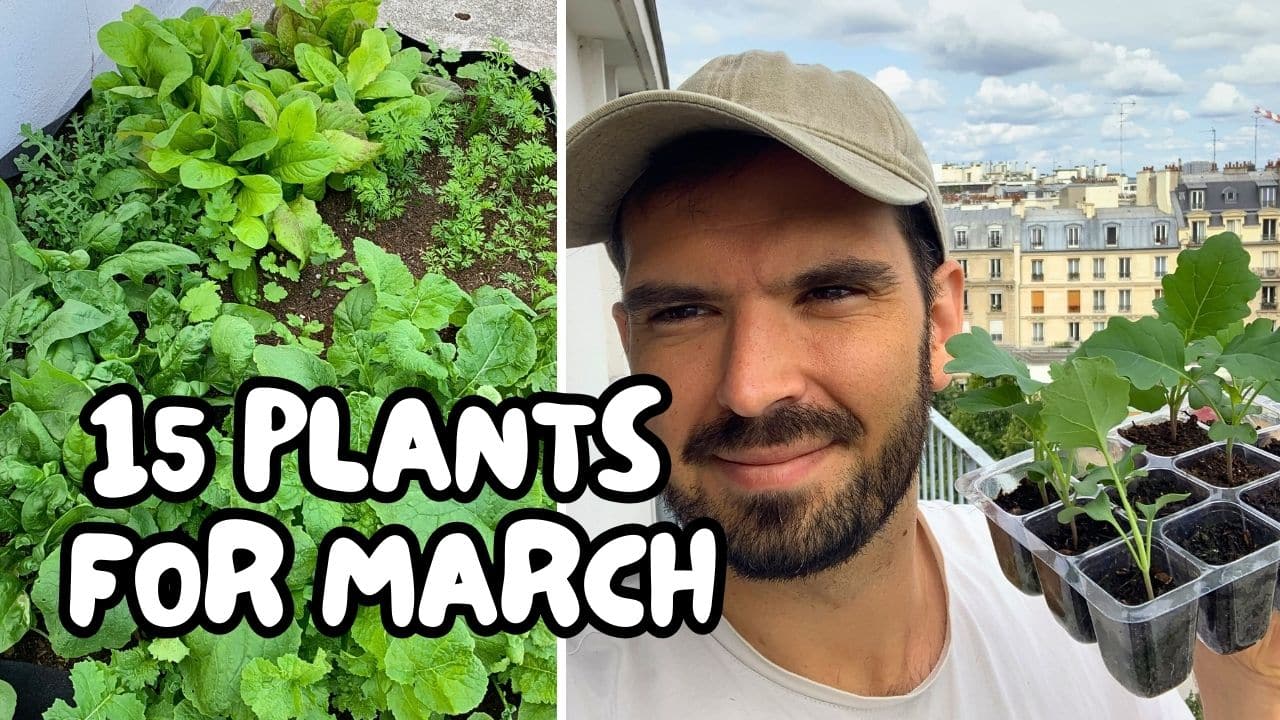
March is the most important month in the garden — and if you know what to plant in March, you’ll be harvesting all summer long. Miss it, and you’ll be playing catch-up until September. Whether you have a full garden, a balcony, or just a few pots on a windowsill, this guide covers the 15 best things to plant in March right now.
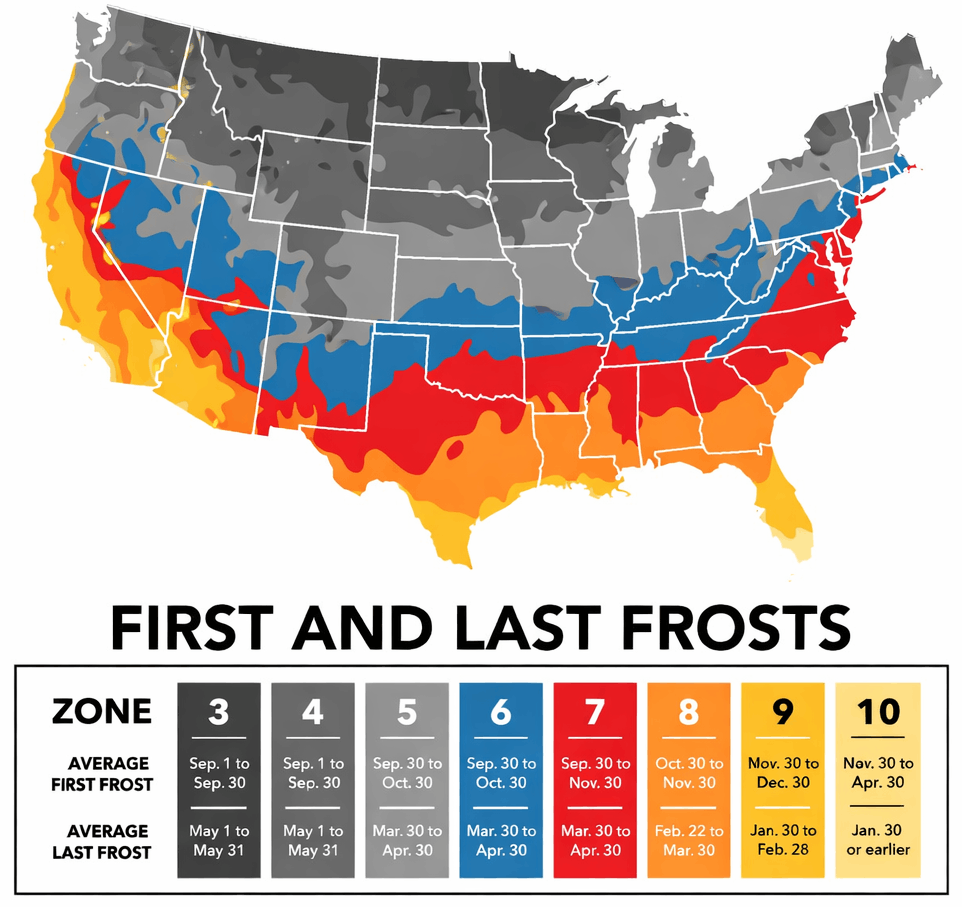
I’m based in Paris, so we’re talking temperate climate, mild springs, zone 8 or 9. If that sounds like you, let’s get into it.
What to Plant in March Indoors: The Heat Lovers
Some plants can’t go outside yet — it’s still too cold and unpredictable. These ones need at least 6–8 weeks indoors before they can handle real weather. A south-facing window or a grow light is all you need to give seedlings enough light and prevent them from becoming leggy.
Tomatoes — Starting tomatoes in March is crucial. Wait until April and you’ll be eating them in September. Start now and you’ll have ripe tomatoes in July, when the heat makes them actually taste like something. Cherry tomato varieties are ideal if you’re gardening in pots.
Peppers — Peppers are slow. Start them now or you won’t see fruit until late summer. They need 20–25°C to germinate well, so place them on top of the fridge or use a heat mat if your house runs cold.
Eggplants (Aubergines) — Same deal as peppers: slow growers that need warmth. Give your seedlings a head start in March.
Basil — Start basil alongside your tomatoes — they’re good companions in the garden and even better in the kitchen. Basil also takes time to get big and bushy, so don’t leave it too late.
Celery — Celery takes 4–5 months to mature. If you want it this summer, start it now. It needs consistent moisture and warmth to germinate.
Summer Flowers — Dahlias, zinnias, cosmos — if you want color this summer, start them indoors now. They’ll be spectacular in a few months.
💡 Tip: All of these need consistent warmth and good light. A south-facing window or grow lights are your best friends right now.
What to Plant in March Outside: The Hardy Ones
These seeds love cool weather and go straight into the ground — even if it’s still cold and grey outside.
Broad Beans — Practically indestructible. They don’t care if it’s 5°C. Plant them now and they’ll be one of your first harvests in late spring.
Peas — Peas love cool, damp soil, which makes March perfect. Go for sugar snap varieties so you can eat the whole pod. Set up a trellis or some netting because they’ll want to climb.
Radishes — The best plant for instant gratification. You’ll have your first harvest in 3–4 weeks. Sow a new row every two weeks for a continuous supply. French Breakfast radishes are a favourite — mild, crunchy, perfect with butter and salt.
Carrots — Carrots can go in now. Make sure your soil is loose and stone-free or you’ll get twisted roots. Short varieties like Parisian work well in shallow or container soil.
Spinach — Spinach hates heat. Wait until May and it’ll bolt straight to seed. March is ideal — sow it now, harvest it in a month.
Arugula (Rocket) — Same as spinach: loves the cold, hates the heat. Sow now for peppery salad greens in no time.
Onion Sets & Shallots — Push the small bulbs into the soil with just the tip showing. That’s really it. They’ll be ready by summer.
Potatoes — March is the month for potatoes. Let your seed potatoes chit (sprout) in egg cartons near a window, then plant them 10–15 cm deep, 30 cm apart. For containers, use at least a 50-litre grow bag per plant.
Fruit Trees & Berry Bushes: Last Chance in March
If you’ve been thinking about planting fruit trees or berry bushes, March is your last window for bare-root stock — apple trees, pear trees, raspberries, strawberries, blackcurrants. Bare-root plants are cheaper than potted ones and establish better, but they need to go in the ground before they start leafing out. That means now. Dig a good hole, spread the roots, backfill, water well, done.
One Thing Not to Get Wrong in March: Frost
March feels like spring. The sun comes out, it warms up, and you want to plant everything outside. Resist the urge.
In France — and across most of zone 8–9 — surprise frosts are still very possible. There’s even a traditional weather lore called the Saints de Glace in mid-May marking a last cold snap, and it’s annoyingly accurate.
Keep tomatoes, peppers, and basil indoors until at least mid-May. For everything you are planting outside now, keep some garden fleece or old bedsheets nearby just in case. It’s much easier to cover plants for one night than to replace them.
🌼 Bonus: Start marigolds and alyssum indoors now and transplant them outside after the last frost. They attract pollinators and help everything around them grow better.