here is nothing more rewarding than watching a tiny sprout break through the soil, but if you’ve ever stared at an empty pot for weeks, you know that success isn’t always guaranteed. Learning how to germinate seeds correctly is the most vital skill any gardener can master. Whether you are starting a high-yield vegetable patch or a vibrant flower garden, the germination phase is where the life of your plant is decided.
In this guide, we will break down the science and the methods to ensure a 100% success rate.
What is Seed Germination?
In technical terms, germination is the process by which an organism grows from a seed. For this to happen, the seed needs to transition from its dormant state to an active metabolic state. This requires a specific balance of:
3 Proven Methods to Germinate Seeds
1. The Classic Soil Method (Best for most vegetables)
This is the most natural way. Use a high-quality “seed starting mix” rather than garden soil, which is too heavy for tiny roots.
- Depth: A general rule is to plant the seed at a depth of 2 to 3 times its width.
- Moisture: Use a spray bottle to keep the surface damp but not soggy.
- Cover: Use a plastic humidity dome to trap moisture.
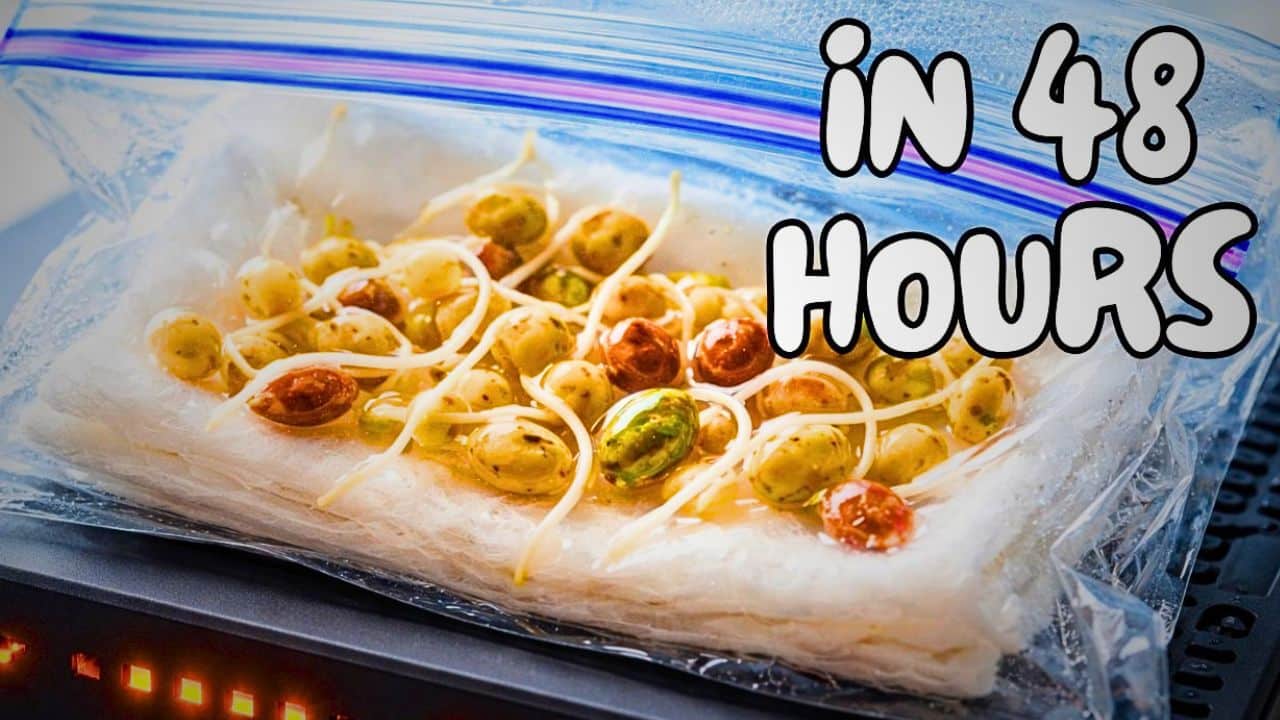
2. The Paper Towel Method (Best for testing viability)
If you have old seeds and aren’t sure if they’ll grow, use this trick:
- Place seeds on a damp paper towel.
- Fold it over and put it in a Ziploc bag.
- Place it in a warm spot (like the top of the fridge).
- Pro Tip: Check daily; as soon as the “radicle” (baby root) appears, transplant it carefully to soil.
3. The Water Soaking Method (Best for hard-coated seeds)
Seeds like peas, beans, or nasturtiums benefit from a 12 to 24-hour soak in lukewarm water before planting. This softens the outer shell and speeds up the process significantly.
Key Factors for Success (SEO Checklist)
Common Mistakes: Why Aren’t My Seeds Sprouting?
“I did everything right, but nothing happened!” If you’re facing issues, it’s usually one of these three culprits:
- Damping Off: A fungal disease caused by poor airflow and overwatering. The stem shrivels at the soil line.
- Temperature Fluctuations: If the soil drops below 60°F (15°C) at night, tropical seeds (like peppers) may rot instead of growing.
- Old Seeds: Most seeds last 2–3 years, but some (like onions or parsnips) lose viability after just one season.
Essential Gear for Indoor Starting
To take your germination to the professional level, consider these tools:
- Heat Mats: To maintain consistent soil temperature.
- LED Grow Lights: Essential if you don’t have a south-facing window.
- Cell Trays: To prevent root entanglement.
Mastering seed germination is the first step toward a bountiful harvest. By controlling the environment and choosing the right method for your specific plant, you’ll save money and grow stronger, healthier but not leggy seedlings.