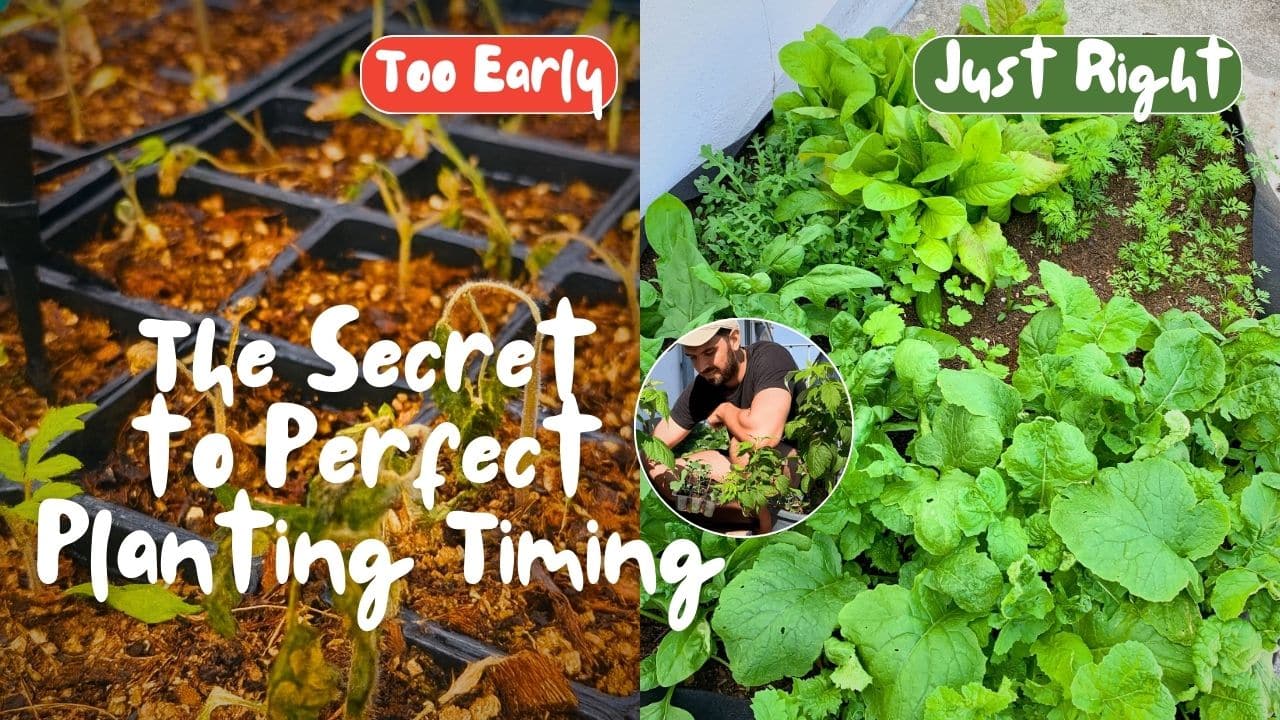
A Complete Guide for Every Climate and Every Gardener
One of the most common questions new gardeners ask is :“when is the best time to start a vegetable garden?”
The truth is, there’s no universal date that works for everyone. Your ideal planting time depends on where you live, the vegetables you want to grow, and the specific weather patterns in your region.
In this guide, you’ll learn exactly how to determine your perfect planting window, plus a common early-season mistake that even experienced gardeners make.
🌦️ Start by Understanding the Seasons
Most planting calendars follow the natural rhythm of the seasons.
Spring is the most popular time to start a garden because many vegetables prefer warming soil and gentle sunlight.
But not all plants need warm weather.
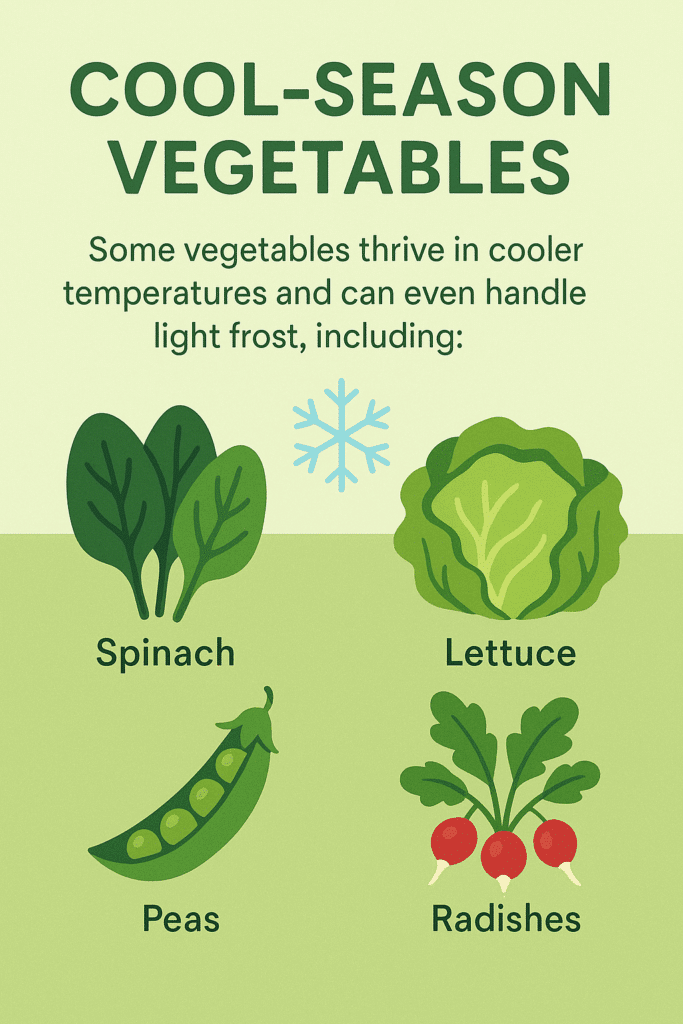
Cool-season vegetables
Some vegetables thrive in cooler temperatures and can even handle light frost, including:
- Spinach
- Lettuce
- Peas
- Radishes
Planting these early in the season gives you a head start before summer heat sets in.
Before you pick up your seeds, know which crops are cool-season and which are warm-season, this determines when you should plant them.
☀️ Warm-Season Crops Need Warmth and No Frost
When people picture a vegetable garden, they often imagine tomatoes, peppers, cucumbers, and squash.
These are warm-season vegetables, and they’re very sensitive to frost.
A simple rule to follow:
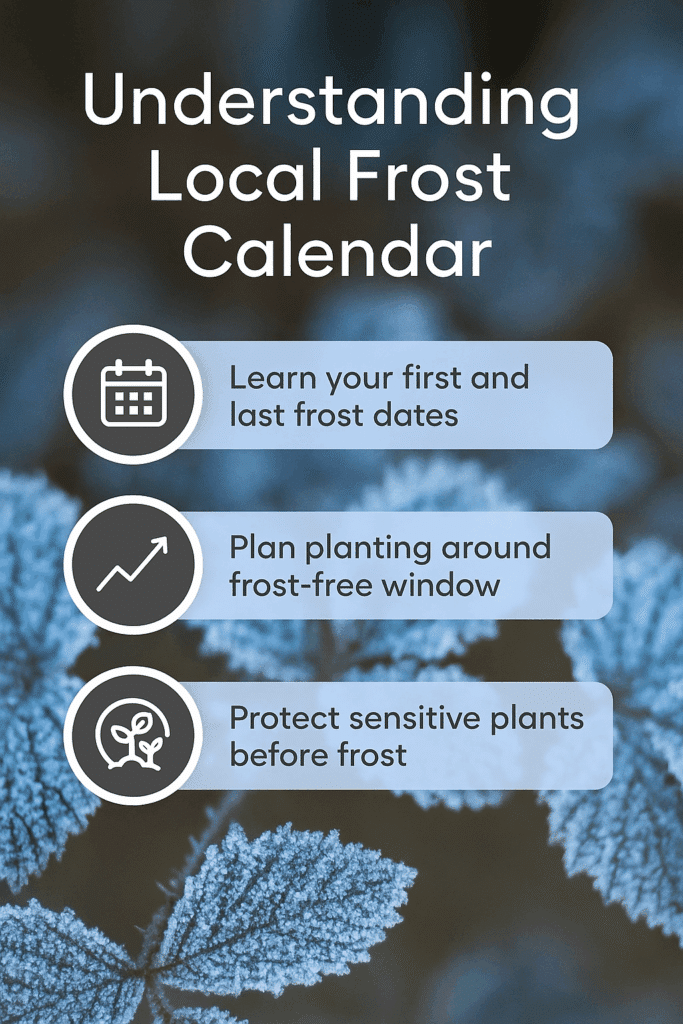
Plant warm-season crops only after your region’s last frost date.
You can easily find your local frost date online based on long-term weather data.
Plant too early, and even one cold night can damage or stunt young plants.
Timing isn’t about choosing the right month, it’s about knowing your local frost calendar.
🌱 Starting Seeds Indoors for a Head Start
If you don’t want to wait for perfect outdoor conditions, starting seeds indoors is a great option.
Tomatoes, peppers, and many herbs grow especially well when started inside.
Begin them 6–8 weeks before your last frost date so the seedlings are ready to transplant once the weather warms.
This approach:
- Saves time
- Produces stronger plants
- Leads to earlier harvests
When outdoor temperatures finally rise, you’ll have healthy young plants ready to go straight into the garden.
🌿 Timing Based on Soil Temperature
Another smart way to plan your planting schedule is by watching soil temperature.
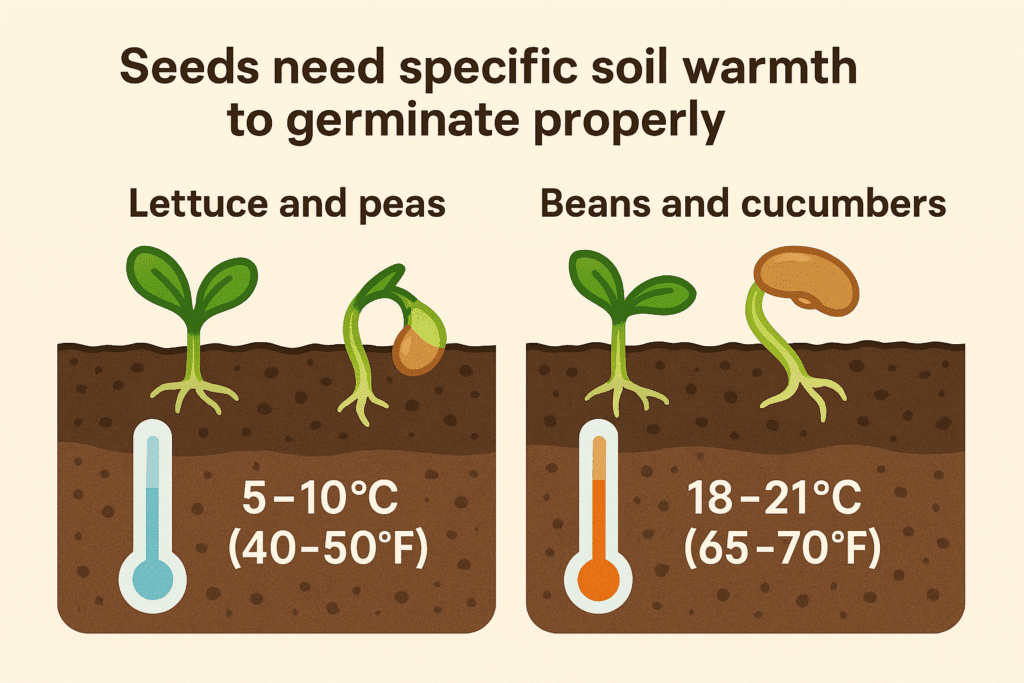
Seeds germinate only when the soil is warm enough and each vegetable has its own preference.
For example:
- Lettuce and peas: germinate at 5–10°C (40–50°F)
- Beans and cucumbers: prefer 18–21°C (65–70°F)
You can use a simple soil thermometer or monitor nighttime temperatures.
If nights are still very cold, it’s usually best to wait a little longer.
The date matters less than providing the right environment for successful germination.
🌾 Don’t Forget About Fall and Winter Gardening
Many beginners assume gardening ends after summer — but that’s far from true.
Some vegetables grow beautifully in the cooler months of autumn and even winter in mild climates.
Cool-weather crops like:
- Kale
- Carrots
- Garlic
- Onions
all perform well when planted in late summer for a fall or winter harvest.
There’s truly a planting season for every vegetable, it’s all about planning ahead.
🕰️ Bonus: The Common Mistake Most Gardeners Make
Here’s the mistake almost everyone makes at least once:
Planting too early just because the first warm day arrives.
Spring weather can be unpredictable.
One surprise frost can wipe out all your young seedlings overnight.
Experienced gardeners know not to rush. They:
- Start seeds indoors
- Build healthy soil
- Wait for stable weather
- Follow frost dates
The real secret isn’t choosing a perfect date, it’s understanding your local climate and letting nature guide your timing.
🌻 Final Thoughts
The best time to start a vegetable garden depends on three key factors:
- Your climate and frost dates
- The types of vegetables you want to grow
- Your soil temperature
Once you learn to time these three elements, you can grow almost anything all year long.
When does your growing season begin where you live?
Share your experience, and happy planting! 🌱